
Embracing Empathy in the Face of Grief A Personal Journey of Connection and Support
- Hogan Hilling

- Apr 13
- 4 min read
Grief is a deeply personal experience that often isolates those who suffer it. While sympathy offers gestures of kindness, empathy creates a bridge of understanding and ongoing support. This post explores the true meaning of empathy through real-life examples and a personal story of navigating grief alongside a loved one. It reveals how empathy can transform pain into connection and healing.

Understanding Sympathy and Empathy in Grief
When someone loses a loved one, many people respond with sympathy. Sympathy often involves actions like sending cards or flowers, attending funerals, or donating to a cause chosen by the bereaved family. These acts are important and show care, but they tend to be short-lived, usually lasting only a few days or weeks after the loss.
Empathy goes beyond these gestures. It means truly stepping into the other person’s emotional world and offering ongoing support that respects their unique grieving process. Empathy allows someone to cry whenever they need to, encourages open sharing of feelings, and provides a listening ear without judgment. It means accompanying a grieving person to visit a loved one’s grave or inviting them to join a grief support group. Empathy is about presence and patience over time, not just immediate responses.
Examples of Empathy in Action
Allowing tears without rushing comfort: Instead of trying to fix the pain, empathy respects the need to express sorrow freely.
Offering long-term support: Checking in weeks or months after the funeral to see how the person is coping.
Listening without interruption: Giving permission to talk about the loss whenever the person needs to share.
Joining in meaningful rituals: Going with someone to visit the grave or attend memorial events.
Inviting participation in support groups: Encouraging connection with others who understand grief.
These examples show empathy as an active, ongoing commitment rather than a one-time act.
A Personal Story of Empathy and Growth
Three months before Wesley passed away, I had planned a trip to India with Matthew, Wesley’s younger brother. Matt had signed a contract to play professional volleyball for the Calcutta Heroes, and I intended to stay for the entire season. We looked forward to traveling together after the season, sharing months of adventure.
When Wesley died on December 28, 2022, my world shattered. I was overwhelmed by grief and unsure how to proceed with the trip. I struggled with whether to shorten or cancel it, but I also failed to consider Matt’s grief. Like many parents who lose a child, I was consumed by my own pain and forgot that Matt was hurting too.
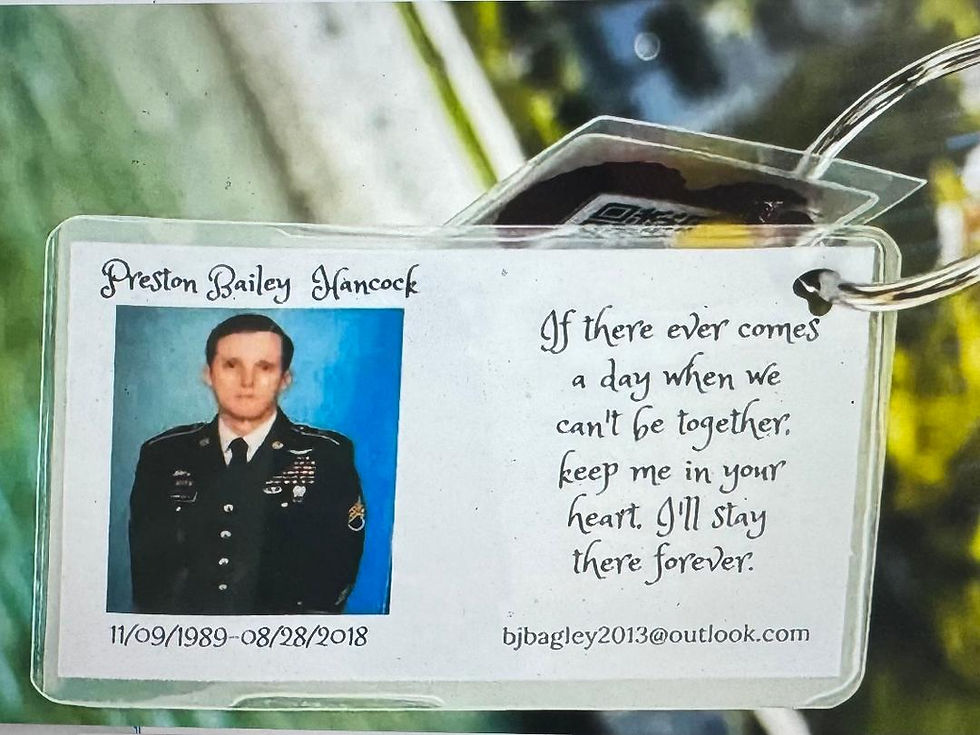
Thanks to Bridget Bagley, the passing of Preston’s Charm, and the book we wrote together, Preston’s Charm, I recognized my selfishness. The book taught me the importance of empathy in grief — to see beyond my own sorrow and support others who are also grieving.
I decided to communicate openly with Matt about my feelings and plans. We talked honestly about our grief and how we could support each other. Instead of withdrawing, I chose to stay for the season and travel with him afterward. This decision deepened our bond and helped us both heal.
How Empathy Changed Our Grieving Process
Shared vulnerability: Talking openly about our pain created a safe space for both of us.
Mutual support: We learned to listen and comfort without trying to fix each other’s grief.
Respect for individual grieving: We accepted that our ways of coping were different but equally valid.
Strengthened connection: Traveling together after the season gave us moments of joy amid sorrow.
This experience showed me that empathy is not just about feeling sorry for someone. It is about walking alongside them, even when the path is difficult.
Practical Ways to Practice Empathy with Someone Who Is Grieving
If you want to support someone who has lost a loved one, here are some practical steps to show empathy:
Be present: Sometimes just sitting quietly with someone is enough.
Listen actively: Let them talk without interrupting or offering unsolicited advice.
Respect their timeline: Grief does not follow a schedule; be patient with their process.
Offer specific help: Instead of saying “Let me know if you need anything,” suggest concrete ways you can assist.
Invite them to share memories: Encourage storytelling about the person who passed away.
Check in regularly: Send messages or call weeks and months after the loss.
Include them in activities: Invite them to social events or support groups when they feel ready.
Empathy requires effort and attention, but it can make a profound difference in someone’s healing journey.
The Lasting Impact of Empathy in Grief
Empathy transforms grief from a lonely burden into a shared experience. It helps people feel seen, heard, and supported over time. My journey with Matt taught me that empathy is a gift we give not only to others but also to ourselves. It opens the door to connection, understanding, and hope even in the darkest moments.
If you are grieving or supporting someone who is, remember that empathy is about presence, patience, and genuine care. It is the bridge that connects hearts and helps wounds begin to heal.


Comments